

In brief:
₿- A major regulatory shift is moving cryptocurrencies closer to traditional finance by classifying them as financial instruments.
₿- Moves by major economies with advanced financial systems may set a precedent for other jurisdictions, accelerating institutional adoption worldwide.
As one of the largest economies globally, Japan is once again shaping the future of digital finance. The country has approved amendments to its Financial Instruments and Exchange Act, aiming to reclassify cryptocurrencies as financial instruments. However, the proposal is not yet law. It still needs to be debated and formally passed by the National Diet of Japan during the current parliamentary session.
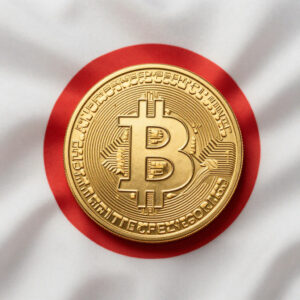
If adopted, the change would move crypto beyond its earlier role as a payment tool and position it within the core of the financial system. Authorities are aligning digital assets with traditional securities like stocks, reflecting growing institutional participation and market maturity.
Clearer rules aim to build crypto market confidence
Proposed updates introduce stricter oversight across the sector. Insider trading involving crypto would be explicitly prohibited, while issuers would face annual disclosure requirements. Regulators also plan to increase penalties for unregistered exchanges operating outside the legal framework.
For the crypto community, these measures bring both reassurance and discipline. Market manipulation and lack of transparency have long been key concerns. Clearer rules could reduce risks for investors and create a more stable environment, particularly for new entrants, tending to support long-term growth by encouraging trust and reducing uncertainty.
Japan’s regulatory direction reflects rising interest from major financial players. A structured legal framework could make it easier for institutions to expand their involvement, potentially accelerating the development of products such as crypto ETFs and other investment vehicles.
Institutional participation typically brings deeper liquidity and more advanced infrastructure. Such developments can strengthen the market and contribute to greater price stability over time.
Opportunities and challenges for the crypto community

While the proposal is largely positive, it introduces new challenges. Higher compliance standards may pressure smaller projects that struggle with legal and reporting costs. Larger firms are likely to benefit the most, potentially increasing centralization within the ecosystem.
Stricter oversight may also raise concerns among decentralization advocates. Increased regulation can limit anonymity and reduce the permissionless nature that originally defined crypto.
Even though the bill is still awaiting final approval, its direction strengthens legitimacy and opens the door to wider adoption. The balance between innovation and regulation will play a key role in shaping the next phase of the crypto market.
The direction taken by Japan reflects a broader shift among major economies that are actively shaping the future of digital assets rather than standing on the sidelines. This coordinated regulatory progress across advanced economies is accelerating institutional participation, improving market infrastructure, and expanding real-world use cases. Over time, such alignment between policy and innovation is expected to significantly increase global adoption and solidify crypto’s position within the mainstream financial system.
Disclaimer: The content of this article is for informational purposes only and does not constitute financial, investment, or trading advice. Readers should conduct their own research and consult a qualified cryptocurrency advisor before making any investment decisions.
Stay informed,
Rodcas Consulting Group