

In brief:
₿- The Financial Instruments and Exchange Act (FIEA) now reclassifies cryptocurrencies as financial assets, introducing stricter investor protections, disclosure requirements, and market oversight.
₿- The reform paves the way for spot Bitcoin ETFs and a planned reduction of the top crypto tax rate from 55% to 20%, supporting broader institutional and retail participation in the digital asset market.
Japan has approved a landmark legal reform that reclassifies cryptocurrency as a financial asset, marking one of the country’s most significant regulatory shifts for the digital asset sector. The amendment, passed by parliament, moves Bitcoin and other cryptocurrencies out of the payment services framework and into the same legal structure that governs stocks, bonds, and investment funds.
The reform places digital assets under the Financial Instruments and Exchange Act (FIEA), replacing their previous classification under the Payment Services Act. By treating cryptocurrencies as financial assets rather than payment instruments, Japan is introducing a more investment-focused regulatory approach while strengthening investor protections and market oversight.
The new rules are expected to take effect within the next year, with full implementation targeted for fiscal 2027.
Stronger investor protection and market oversight
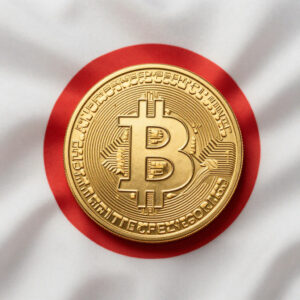
The reclassification introduces a unified regulatory framework designed to improve transparency and strengthen confidence in Japan’s cryptocurrency market.
Under the updated legislation, crypto exchanges will face stricter disclosure requirements. Platforms will be required to provide detailed information about listed digital assets, including their issuers, blockchain structure, and potential volatility. The measures are intended to help investors better assess the risks associated with cryptocurrency investments.
The legislation also expands regulatory oversight by applying insider trading restrictions to the crypto industry. Individuals with access to non-public information, including exchange operators, token issuers, and other insiders, will be prohibited from trading ahead of significant market events such as token listings, delistings, or major network developments.
Authorities will also gain broader powers to monitor trading activity and investigate market misconduct, aligning crypto supervision more closely with traditional financial markets.
Tougher penalties for illegal crypto operations
Japan is also significantly increasing penalties for companies operating without proper authorization.
The maximum prison sentence for unregistered cryptocurrency businesses will increase from three years to ten years. Financial penalties will also rise substantially, with maximum fines increasing from 3 million yen to 10 million yen.
The stricter enforcement framework reflects Japan’s intention to treat serious cryptocurrency violations with standards comparable to securities-related offences, reinforcing the country’s commitment to a more secure and transparent digital asset market.
Bitcoin ETFs and lower crypto taxes could follow
The regulatory overhaul may have broader implications for Japan’s digital asset industry.
By bringing cryptocurrencies under the Financial Instruments and Exchange Act, the country removes a major legal obstacle that previously limited the launch of spot Bitcoin exchange-traded funds (ETFs). The updated framework could allow Japanese financial institutions to develop regulated Bitcoin investment products in the future.
Lawmakers also approved plans to reduce the country’s cryptocurrency tax burden. Beginning in 2028, the highest tax rate on crypto gains is scheduled to fall from 55% to a flat 20%, matching the taxation applied to stock investment profits.
Together, the regulatory reforms position Japan as one of the leading jurisdictions integrating digital assets into traditional financial markets. The changes are expected to strengthen investor confidence, encourage institutional participation, and support the country’s long-term strategy to expand its digital asset and Web3 ecosystem.
Disclaimer: The content of this article is for informational purposes only and does not constitute financial, investment, or trading advice. Readers should conduct their own research and consult a qualified cryptocurrency advisor before making any investment decisions.
Stay informed,
Rodcas Consulting Group