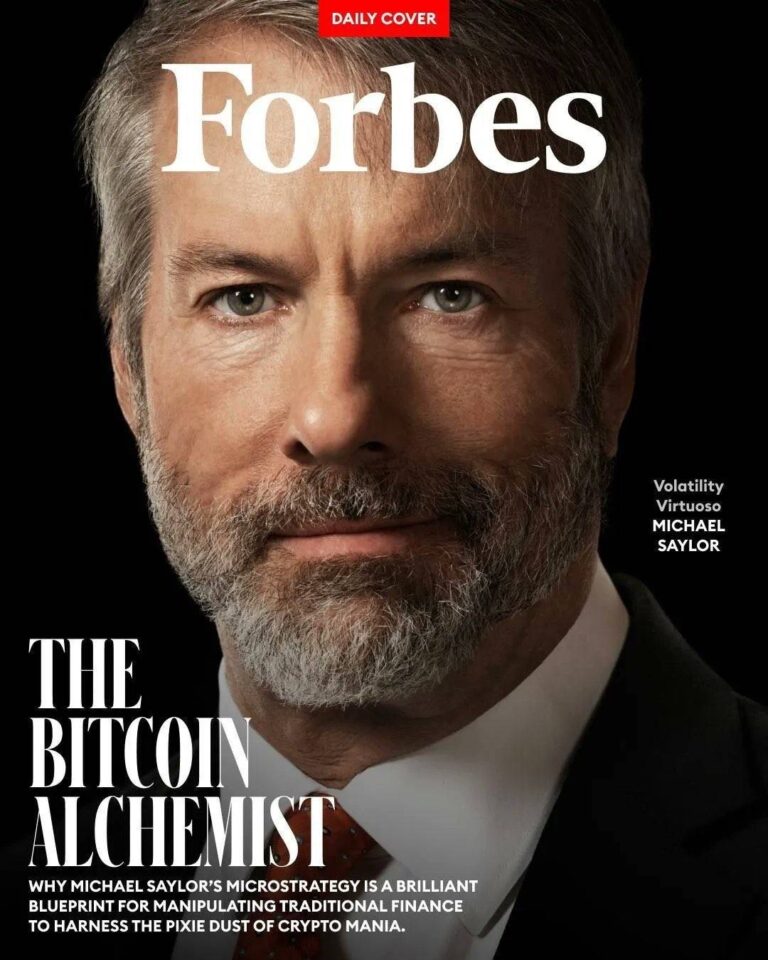
Michael Saylor, dubbed "The Bitcoin Alchemist" by Forbes, has transformed Strategy into the ultimate Bitcoin whale, figuring out crypto to its core and leveraging its power to revolutionise corporate finance.

The latest crypto scams, including Argentina’s Javier Milei-endorsed Libra token collapse and the fake Saudi crown prince memecoin, highlight the rise of fraudulent projects—making Bitcoin the only secure and transparent digital asset.

Institutional adoption, regulatory shifts, and political advocacy shaped this week’s crypto landscape, with Senator Cynthia Lummis reaffirming Bitcoin’s future as a reserve asset, major US banks expanding crypto custody services, and Russia tightening its grip on digital platforms.

Key regulatory bodies, including the SEC and CFTC, are collaborating to establish a cohesive framework for cryptocurrency regulations.

Hong Kong has officially recognised Bitcoin and Ethereum as valid assets for its revamped investment immigration programme, offering crypto investors a unique opportunity to secure residency through digital assets.

As cryptocurrency adoption soars, the demand for insurance to protect digital assets from theft, hacking, and technical errors is quickly becoming a game-changer for investors.

Both assets provide diversification benefits, with gold offering stability and Bitcoin growth potential. But, which one is a better opportunity?

This week in crypto the winds of change are sweeping through the market, with Bitcoin’s rise, new regulatory challenges, and transformative moves shaping the future of digital assets.

Russian Bitcoin miners fear that a government registry collecting wallet addresses could lead to data leaks and expose them to sanctions.
Bitcoin’s steady hold near $100,000 has experts buzzing, suggesting that the cryptocurrency is positioning itself for its next big move. Could this be the calm before the new bull run?

