
Europe is taking significant strides in real estate tokenization by integrating legal land registries with notarized agreements, ensuring investors have direct, enforceable claims tied to real-world assets.
A mysterious creator of the biggest cryptocurrency today holds a fortune, yet his true legacy lies in something much greater—the idea that has brought us all together.
From geopolitical tensions to financial market shocks, this week in crypto saw bold moves, with Russia rejecting Trump’s BRICS threat, Bitcoin rebounding above $104K, and central banks eyeing digital assets.
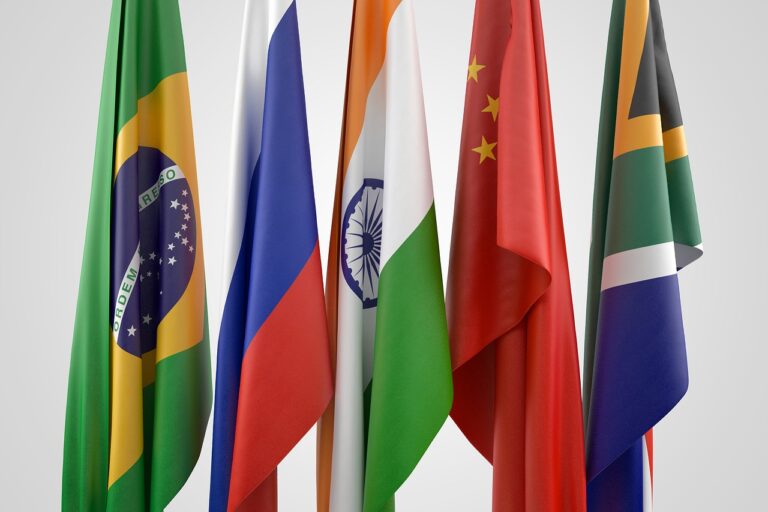
Russia has dismissed Donald Trump’s tariff threats against BRICS, reaffirming that the group has no plans to replace the US dollar with a common currency.
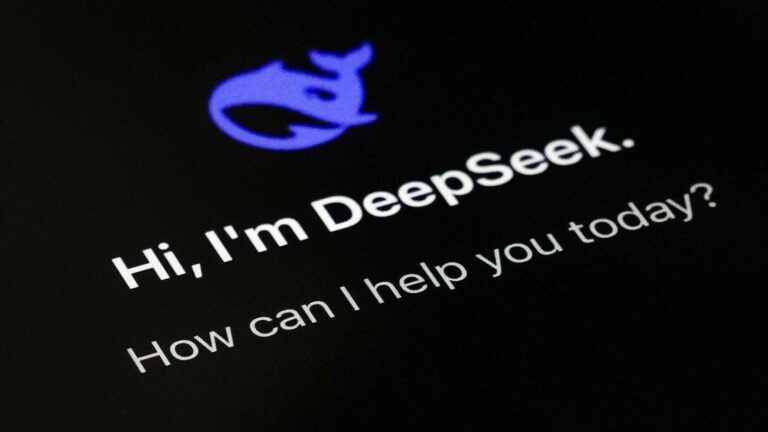
DeepSeek AI's surprise debut shook global markets, triggering a tech stock sell-off that briefly pulled Bitcoin down, but the leading cryptocurrency swiftly rebounded above $104K, proving its resilience.
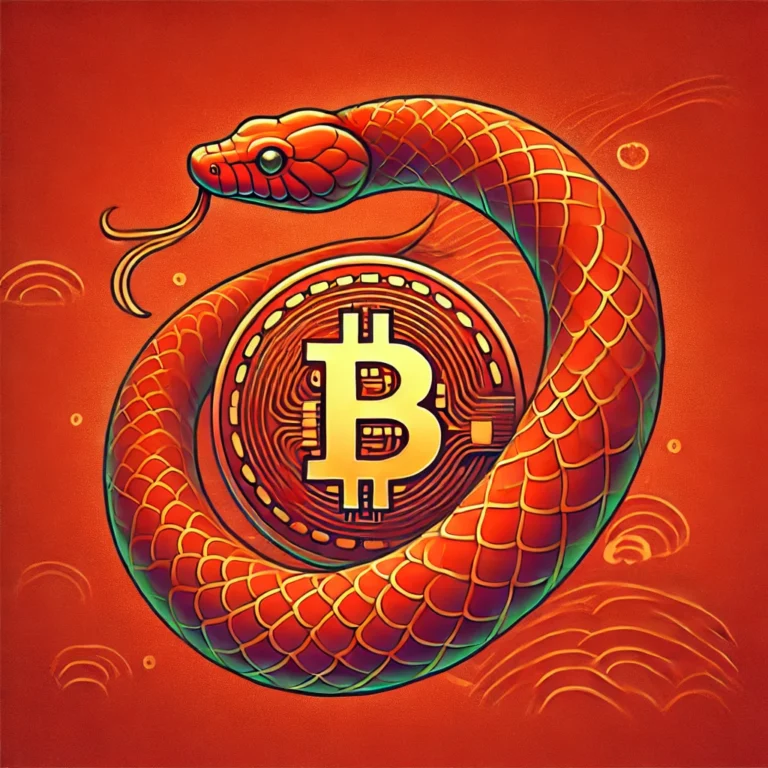
In 2025, the Year of the Snake, China may finally ease its crypto restrictions, allowing digital assets to creep into the country’s financial system, paving the way for a new era of decentralisation in China and globally.

The first country in Europe that might integrate Bitcoin into its reserves, the Czech National Bank is exploring its potential as a strategic asset, paving the way for broader cryptocurrency adoption in central banking.

The week behind marked a turning point in cryptocurrency history, with record-breaking Bitcoin highs, controversies over meme coins, and global discussions on crypto's future at the World Economic Forum in Davos.

Bitcoin has evolved from a volatile asset to a trusted hedge against inflation and a safeguard against economic instability.

Europe's push for a digital euro risks repeating the mistakes of failed centralised currency models, ignoring the potential of decentralised finance.

