

The crypto market surged this week as Bitcoin hit a new all-time high of $111,000, outpacing gold as the top safe-haven asset. Russia announced a new Bitcoin mining relocation plan, and Panama fast-tracked crypto adoption with Bill 247 and Bitcoin reserve proposals.
Amid global economic uncertainty, demand for digital assets like Bitcoin and stablecoins is soaring—but regulatory pressure is mounting in key regions like Dubai and Russia, affecting firms and investors alike.
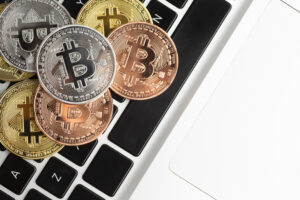 Bitcoin hits new all-time high on Pizza Day
On May 22, the crypto community celebrated Bitcoin Pizza Day, marking 15 years since Laszlo Hanyecz spent 10,000 BTC on two pizzas.
In 2010, the transaction was worth just $41—today, it’s valued at over $1.1 billion as Bitcoin hits a new all-time high of $111,000.
Hanyecz’s move, once seen as reckless, is now a historic moment that proved Bitcoin could function as a real-world payment method, not just a speculative asset.
Dubai enforces new crypto compliance deadline
Dubai’s Virtual Assets Regulatory Authority (VARA) has rolled out Version 2.0 of its crypto Rulebooks, giving digital asset firms until June 19, 2025 to comply.
The new rules enhance oversight on key services such as margin trading, token distribution, and custody of client assets.
The updated framework tightens leverage limits, clarifies operational terms like “qualified custodians,” and aims to align with international crypto regulations.
These changes are expected to reinforce Dubai’s position as a global crypto hub.
Russia signals silent ban on USDT and stablecoins
Russia’s Central Bank is finalising new crypto regulations that could effectively ban USDT trading within the country.
The rules, set to take effect on May 26, prohibit the use of tokens linked to “hostile” jurisdictions or that can be blocked by issuers—criteria that Tether (USDT) and other USD-pegged stablecoins likely fail to meet.
While cross-border stablecoin payments remain allowed, domestic trading will face tighter controls as Russia expands its crypto sandbox for “qualified investors.”
Stay informed,
Rodcas Consulting Group