

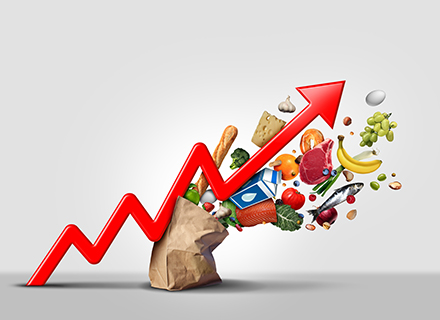
In the past few years, inflation has reached levels not seen in decades, driven by global events such as the COVID-19 pandemic and geopolitical instability. As prices rise, people are feeling the effects on their daily lives, with the cost of goods and services becoming increasingly difficult to manage. Inflation reduces the purchasing power of money, meaning that consumers can buy less with the same amount, forcing them to make difficult choices about how to spend or save.
Inflation: More Than Just Rising Prices
When inflation rises, it signals a deeper issue within the economy. The problem isn’t just that the price of goods is increasing, but that the currency is losing value. Central banks have responded by raising interest rates, a common tactic to cool the economy and bring inflation under control. However, raising rates can be a double-edged sword, slowing economic growth and making it more difficult for businesses to invest and expand.
One major challenge in fighting inflation is the distinction between overall and core inflation. Overall inflation includes highly volatile items such as food and energy prices, which fluctuate due to external factors like weather or geopolitical events. Core inflation, on the other hand, excludes these items and reflects the more persistent, long-term trends that policymakers aim to address. This core measure shows whether inflation is here to stay or is just a temporary spike.
Searching for Alternatives Amid Inflation
As inflation affects economies worldwide, people are exploring alternatives to safeguard their wealth. Traditional investment vehicles such as stocks, bonds, and real estate can offer some protection, as they often provide returns that outpace inflation over time. Precious metals, particularly gold, have long been considered a reliable store of value during inflationary periods. Gold’s limited supply and historical significance make it a trusted option for those looking to hedge against currency devaluation.
Other methods include shifting consumption habits, such as purchasing durable goods before prices increase further or cutting back on discretionary spending to manage rising costs. In some cases, individuals may even seek alternative payment systems or currencies to preserve their purchasing power. This is especially true in countries with high or hyperinflation, where traditional currency is rapidly losing its value.
How Central Banks Respond
The primary tool that central banks have to fight inflation is raising interest rates. By increasing rates, they aim to slow borrowing and spending, which in turn reduces demand and eases price pressures. But there’s a fine line—raise rates too quickly, and the economy could fall into a recession. This delicate balancing act is why central bankers are often cautious when tackling inflation, seeking to avoid the risk of causing more harm than good.
Sometimes, these efforts are not enough, and inflation persists despite aggressive monetary policies. In such cases, central banks have limited options and must adapt to the specific economic circumstances of their respective countries. This has led to a variety of responses worldwide, from aggressive rate hikes to targeted fiscal policies designed to alleviate pressure on consumers.
Conclusion: No One-Size-Fits-All Solution
Inflation has proven to be a complex and persistent challenge for economies around the globe. While central banks work to contain it through interest rate adjustments, consumers and businesses must find ways to adapt. Whether through traditional assets like gold or alternative payment methods, individuals are increasingly seeking ways to navigate the economic uncertainties brought on by inflation.
In this ever-changing financial landscape, the key is flexibility and vigilance—keeping an eye on inflation trends and being prepared to explore new options to protect wealth and maintain purchasing power. If you’re looking for guidance on managing inflation’s impact or exploring new financial strategies, our team is here to help!