

₿- A new Russian bill will allow law enforcement to seize cryptocurrency by officially recognising it in the criminal code.
₿- Trump’s upcoming Web3 game could drive mainstream crypto adoption by helping players understand digital assets through gameplay.
₿– Trump’s team plans to acquire 1 million Bitcoin using tariffs and gold revaluation, without spending taxpayer money.
Crypto headlines brought a global perspective, but Panama definitely stole the spotlight. From exploring whether it’s worth entering the crypto world to covering its move to accept Bitcoin and stablecoins for taxes, Panama showed it’s serious about becoming a crypto hub. We also looked at how more nations are planning Bitcoin reserves, and why a top economist believes Russia’s quiet crypto adoption might be stabilising the ruble. Here’s what else made waves this week.
Russia to Introduce Crypto Terms into Criminal Code
Russia is stepping up its crypto crackdown. A new bill will officially add “cryptocurrency” and other crypto-related terms to the country’s criminal code, not to regulate the space, but to help law enforcement seize digital assets during investigations.
 Right now, Russian police face major hurdles when dealing with crypto. Unless it’s a terrorism or corruption case, coins can’t legally be confiscated. Even then, crypto wallets and platforms have no legal status, making seizures complex and inconsistent.
The new bill aims to change that. It would recognise crypto as property that can be confiscated in criminal cases. Legal experts say this will simplify the process, especially when it comes to handling hot wallets or transferring assets safely.
But not everyone’s convinced. Some lawyers warn that Russia’s police lack the technical tools to do this correctly and that innocent third parties could lose access to their crypto if mistakes happen.
Trump’s Next Crypto Move? A Monopoly-Inspired Game
Donald Trump is taking his crypto comeback to the next level — with a Web3-style game that looks a lot like MONOPOLY GO!. According to Fortune, the new mobile game lets players build digital cities and earn in-game currency. It’s reportedly set to launch in late April and is being developed by Bill Zanker, the same man who helped launch Trump’s memecoin and NFT collections.
Trump’s pivot is hard to ignore. Just a few years ago, he called Bitcoin a “scam.” Whether or not the game will be successful, it’s clear Trump sees crypto as a serious political and business tool heading into 2025. Even more interesting, the game could become a gateway to higher crypto adoption, especially among casual users.
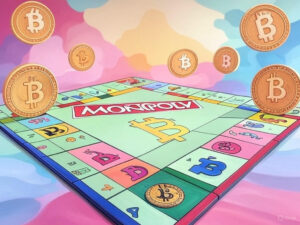 By earning, spending, and interacting with digital assets in a familiar gaming format, players may start to understand how crypto works. That hands-on experience can make it feel less abstract and far more accessible to everyday people.
Trump Administration Seeks Budget-Neutral Bitcoin Acquisition
Trump’s top crypto advisor, Bo Hines, says the administration wants to buy 1 million Bitcoins — without spending taxpayer money.
They’re considering creative strategies like tariffs and gold revaluation to fund the plan. The proposal aligns with Senator Cynthia Lummis’ BITCOIN Act, which treats Bitcoin as a strategic reserve asset like gold.
Hines says the goal is bigger than just acquiring BTC — it’s about modernizing America’s outdated financial system. Faster payments, fewer fees, more transparency. “Digital assets will revolutionize how we move money,” he said.