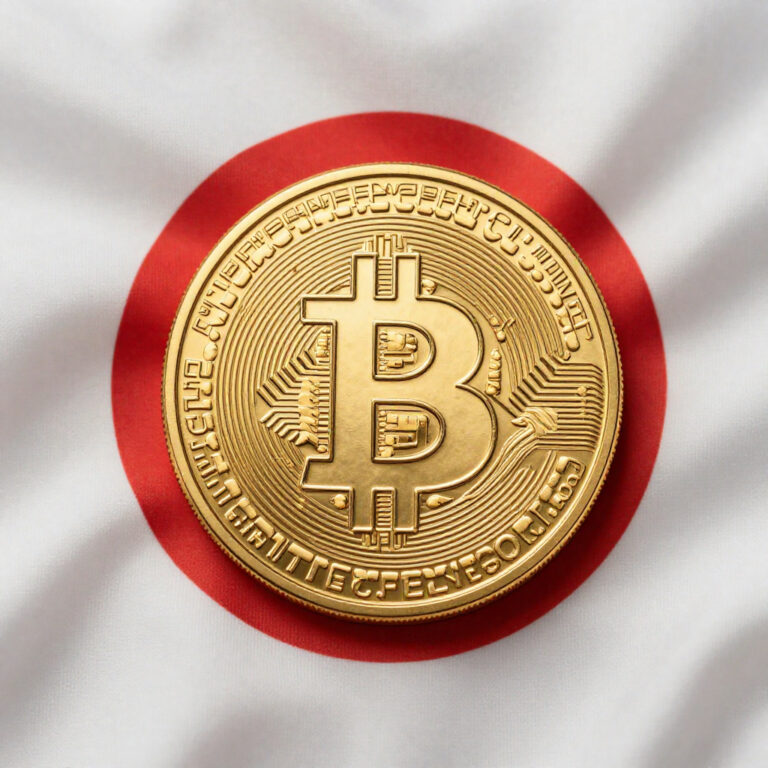
Lawmakers advance Japan crypto regulation as they consider classifying digital assets as financial instruments, introducing stricter rules and boosting institutional adoption.

Bitcoin is increasingly emerging as a universal payment tool, enabling fast, borderless transactions that can operate independently of traditional financial systems.

Capital flows, regulatory expansion, and rising security pressures are collectively redefining how crypto markets function in a rapidly institutionalising financial system.

Growing reliance on low-volatility assets suggests traders are prioritizing capital efficiency and flexibility over directional exposure in the current market phase.

Emerging technologies like quantum computing are opening new opportunities for crypto mining and development, potentially enabling more efficient, scalable, and innovative blockchain systems.

The move reflects a broader global trend toward integrating crypto into regulated financial systems, signaling steady progress toward wider worldwide adoption.
Broader access to private markets may accelerate the convergence of institutional and retail investing strategies within U.S. retirement systems.

Crypto markets are entering a pivotal phase as institutional demand rises, trading infrastructure evolves, and global adoption continues to accelerate across both retail and professional investors.

Increasing usage is also pushing payment networks to experiment more with blockchain-based settlement and transfer systems.

Regulatory plans signal a shift toward integrating digital assets into traditional financial oversight systems while preserving strict limits on their everyday use and cross-border flexibility.
