
Emerging technologies like quantum computing are opening new opportunities for crypto mining and development, potentially enabling more efficient, scalable, and innovative blockchain systems.

The booming crypto mining industry is generating billions, attracting major investments, and proving that cryptocurrency is a powerful economic force- if overregulation doesn’t stifle its growth.
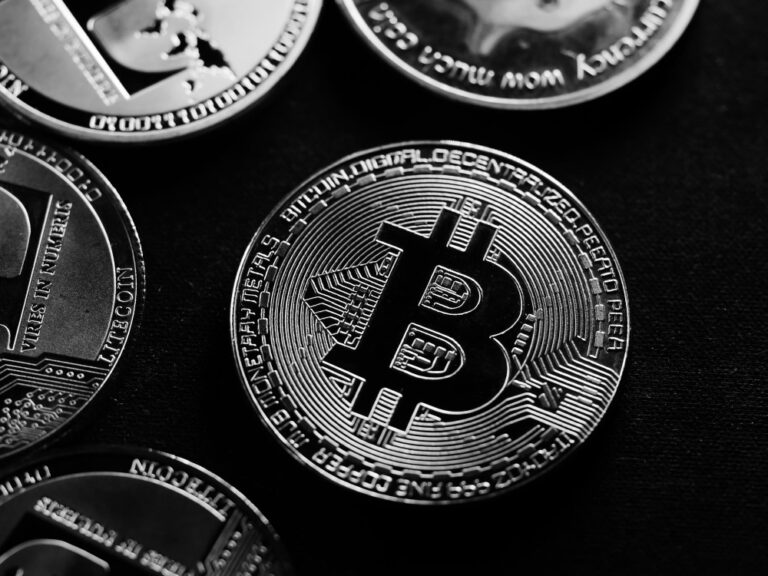
Global cryptocurrency markets in October 2025 showcased resilience, with regulatory clarity and institutional adoption driving steady growth despite geopolitical tensions impacting trading volumes.

Crypto loans, particularly Bitcoin-backed financing, are gaining traction in Russia as a innovative way to fund small-scale mining operations and drive industry growth.

As global crypto adoption surges, this week’s update highlights growing user engagement in the U.S., rising investment trends in Brazil, and the challenges faced by the crypto industry in Russia.

A Bitcoin enthusiast who, using a pocket-sized mining rig, defied the odds and earned a $263,000 reward by solving a block with a less than one-in-a-million chance of success, has captured the crypto community’s attention.
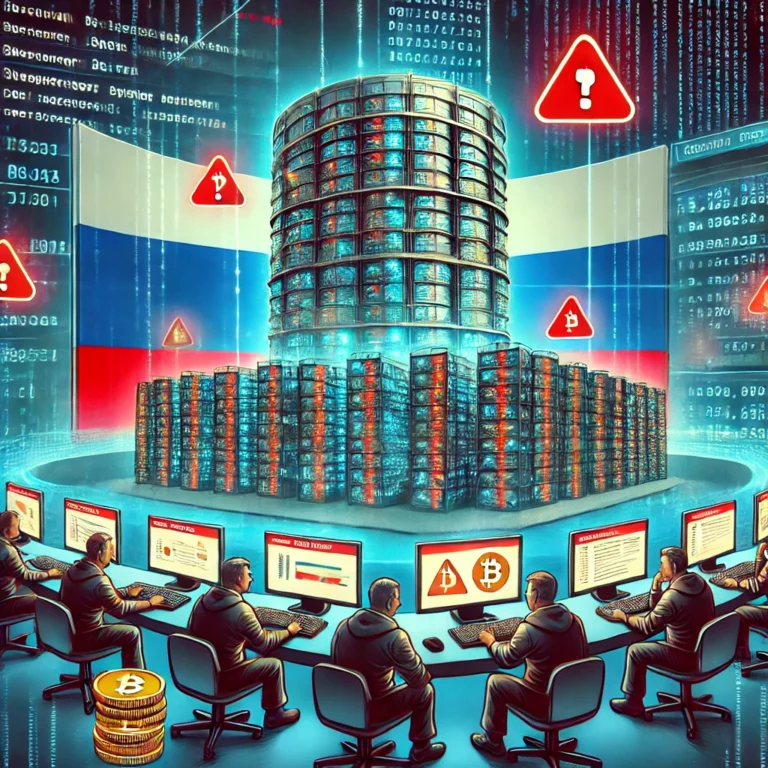
Russian Bitcoin miners fear that a government registry collecting wallet addresses could lead to data leaks and expose them to sanctions.

Trump's inauguration on 20th January could redefine the cryptocurrency landscape, with potential regulatory shifts and opportunities for blockchain innovation.
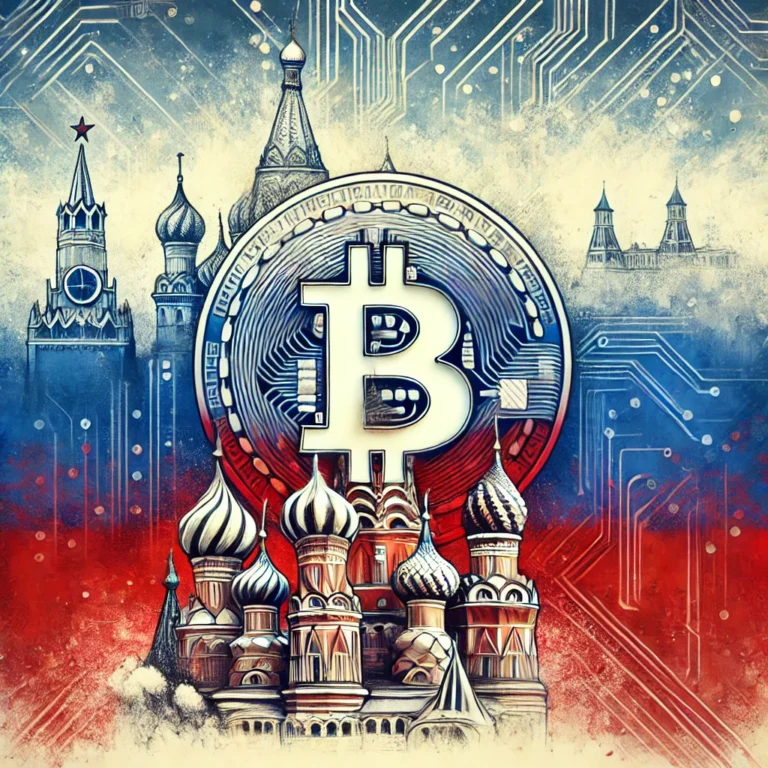
With its substantial crypto-mining capabilities, Russia could strategically benefit from embracing Bitcoin as a reserve asset, with the transition potentially occurring sooner than anticipated.

The system would require miners to pay taxes when mined cryptocurrencies enter their wallets and impose additional taxes on any unrealised gains when these assets are sold or transferred, while allowing deductions for losses.
