
Bitcoin’s steady hold near $100,000 has experts buzzing, suggesting that the cryptocurrency is positioning itself for its next big move. Could this be the calm before the new bull run?
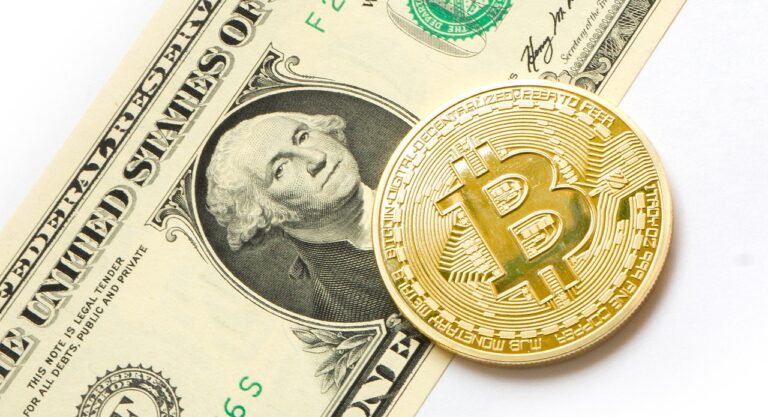
As the crypto community eagerly anticipates concrete actions to uplift the global crypto market despite still awaiting a strategic Bitcoin reserve move, Senator Cynthia Lummis offers renewed hope.

Trump's inauguration on 20th January could redefine the cryptocurrency landscape, with potential regulatory shifts and opportunities for blockchain innovation.

Intesa Sanpaolo’s recent Bitcoin purchase signals a potential shift in the Italian banking sector, paving the way for broader cryptocurrency and blockchain adoption across Europe.

Meta faces a renewed proposal to embrace Bitcoin as a strategic asset, highlighting its growing role in hedging against inflation and securing financial resilience.

Thailand is pioneering the integration of Bitcoin payments in its major tourist destinations, marking a significant advancement in digital asset adoption.

A Russian parliament member has proposed creating a strategic Bitcoin reserve to counter economic challenges from international sanctions.

The move reflects a shifting perception of digital assets in the region, despite China's previous ban on cryptocurrency transactions.

Co-founder Michael Saylor advocates for Bitcoin as a hedge against inflation and economic uncertainties, positioning it as a superior alternative to traditional financial reserves.

Bitcoin's rise is reshaping the financial landscape, challenging traditional assets, and heralding a new era in global finance.
